We know a lot about how to protect ourselves during the heat. We use sunscreen, wear appropriate clothing, monitor our sun exposure, and, most importantly, stay hydrated. Most plants need protection just like we do. They can’t move into the shade and grab a drink when the need arises. The good news is that we can choose plants that not only survive the Texas heat but also thrive here. Here are a few guidelines to improve your gardening success.
USDA Hardiness Zones
Water
Many native and adapted plants can survive with little water once established. However, this takes time. At least one to two summer seasons of correct watering are necessary for new plants. Even well-established plants will need water to supplement some moisture and ensure good health during droughts. Since most plants require soil that drains well, it's a good idea to check their moisture levels after planting. A moisture meter can be helpful.
Light
When the store tag says, “place in full sun”, remember that full sun is quite different in Texas. Our plants always appreciate some late afternoon shade here in Texas. Giving your full sun plant at least 6 hours of morning sun will make it very happy.
Use Mulch
Mulch holds in moisture and prevents most weeds (except Bermuda grass!). When using mulch around a tree, keep it 3-4 inches away from the trunk, then add three inches all around the tree out to the dripline. Choose a natural mulch of cedar or pine bark. Plastic and rock mulches make the soil hotter. See the resources below for more ideas on mulching.
Plants for North Texas

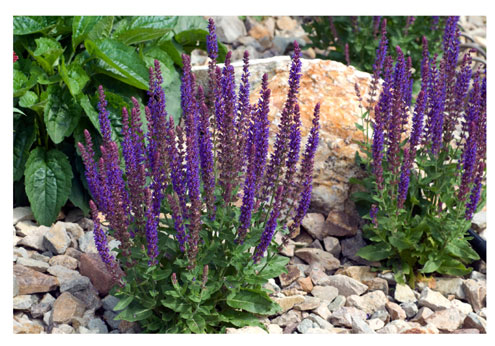
Mystic Spires, Blue Salvia- Salvia longispicata × farinacea
Perennial Hibiscus- Hibiscus moscheutos
Rose of Sharon- Hibiscus syriacus
Trailing Lantana- Lantana montevidensis
Turk’s Cap- Malvaviscus arboreus
Purple Coneflower- Echinacea purpurea
Flame Acanthus- Anisacanthus quadrifidus
John Fanick Phlox- Phlox paniculata 'John Fanick'
Henry Duelberg- Salvia farinacea 'Henry Duelberg'
Gaura- Oenothera lindheimeri
Heartleaf Skullcap- Scutellaria ovata
Rock Rose- Pavonia lasiopetala
Texas Bluestar- Amsonia ciliata
Beardtongue-Penstemon ’Dark Towers’
Bluebeard-Caryopteris × clandonensis
American beautyberry- Callicarpa americana
Please look at the resources below as you investigate a plant for your landscape. Always utilize university extension services, specialized botanical databases, and peer-reviewed forums. Search using a plant's scientific name for the most accurate information.
Resources:
https://agrilifetoday.tamu.edu/2024/05/02/time-to-plan-and-plant-for-upcoming-summer-heat/
https://texassuperstar.com/texas-superstar-plants/
https://www.wildflower.org/plants-main
https://www.missouribotanicalgarden.org/
https://agrilifetoday.tamu.edu/2021/05/06/rock-rose-ornamental-named-newest-texas-superstar/
Happy Gardening!