You don’t need an old outdoor writer (me) to remind you of the current heat wave we are all enduring. But cooler weather is just around the corner and falling leaves and frosty mornings will once again arrive. Some folks say September is just as hot as August but very often we have disturbances out in the Gulf that herald in rains and by mid-September it’s not uncommon to have a strong norther up in Canada push a little cooler weather our way.
The past couple weeks, I’ve noticed very little wildlife movement during daylight hours on the trail cameras I have near my home. I am fortunate to have a couple neighbors who own ranch land and allow me access to hunt and fish. I have trail cameras on a couple of corn feeders that I monitor throughout the year. I enjoy monitoring the deer herd, watching the doe in mid-summer with their newborn fawns and studying the bucks as their antlers develop.
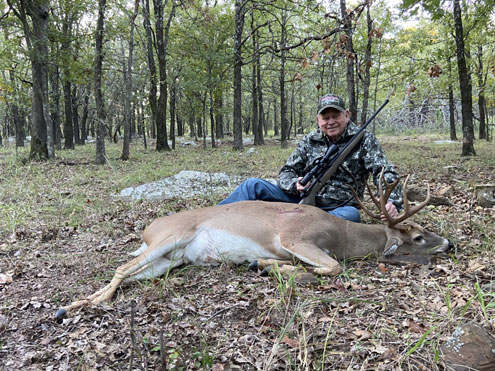
It’s common to catch nighttime video of wild hogs that hit my feeders. Hogs have largely become nocturnal in my area and much of the state, but, until the current heat wave set in, I was observing deer at the feeders during the first hour or so of daylight and again just before dark. Lately, not a single animal other than the occasional crow or squirrel has tripped the shutter on my trail cameras during daylight hours.
The signs of fall are beginning to show, even now in the midst of the hottest period of the year. Days are shortening, sunset now occurs a few minutes after eight in the evening and it’s dark around eight-thirty. Granted it’s usually well into the nineties at sunset but the sun is over the horizon and the temperature begins a gradual drop into the upper seventies during the night. At the break of day, we enjoy an hour or two of temperatures around eighty before the rapid warm up when the thermometer again pegs 100 degrees. But for those that look, the early signs of fall are already beginning to appear.
Squirrels are “cutting” hickory nuts on hickory trees and oak limbs are loaded with mature acorns. In a couple weeks, acorns will begin to fall and those of us who hunt with a bow will be patterning deer that have an uncanny way of finding those early falling acorns.
Persimmons are mature but far from ripe, it will be a while before they ripen and every wild critter from possums to deer will flock to one of their favorite fruits. Muscadines are already falling, providing an early fruit snack for wildlife. I remember as a boy picking muscadines just before schools started each fall. Did you ever squeeze the pulp out of a ripe muscadine and use the hull to polish a copper penny? I learned the ripening of these wild grapes was a prelude to fall at a very early age.
If you look closely, you will see sumac groves are full of the lemon-flavored berries. They are a brilliant burgundy color now and will turn a dark shade of red in October. Is there anything more beautiful than a grove of sumac bushes growing on a hillside as the setting sun lights them up like a neon sign, just another sign that fall is just around the corner.
Whitetail bucks are just now in the process of shedding the velvet from their antlers, another indicator of fall. They are still in bachelor herds, but dissention is stirring in their ranks. Soon testosterone will be increasing in their bodies as the early stages of the rut (breeding season) begins. The old friends that have been together since the end of last season’s breeding season are beginning to look at each other in a different light. When the velvet is gone from their antlers they will begin mock battles and by the time the rut begins in early November, they will already have established a pecking order.
Mature bucks will be locking horns in a battles that often result in serious injuries and sometimes even death, it’s nature’s way and when these serious battles occur, fall will be here and frost will be on the ground!
White-front geese will begin winging their way south with when those arctic blasts begin to freeze things up in the Arctic and nesting grounds in northern Canada. These are the first migrating geese to arrive, and we will begin hearing their wild cries from above in a month or so.
Teal are already moving south and in a few weeks, waterfowlers will have their first opportunity to work their retrievers and hopefully enjoy a meal of wild rice and baked teal breasts wrapped in bacon, food fit for kings!
It will be time to take to the dove fields in a matter of days, this is the first of our hunting seasons, a good old-fashioned Texas dove shoot is good for the soul. There is no guarantee we will get any relief from the heat but there is something very special about shooting dove with friends and hopefully enjoying the evening meal of grilled dove breast under the shade of an oak tree on the edge of a dove field somewhere.
Fish will soon be taking a cue from the gradually changing seasons. Before long hordes of sea gulls will flock to inland lakes and striper fishing will be red hot at lakes such as Texoma and Tawakoni for schooling fish.
Bass anglers will have the opportunity to fish for schooling bass also, enjoying red-hot action when the largemouth push baitfish to the surface. This is a time for numbers rather than trophy-size bass but great for introducing youngsters to the tug of a hard-fighting fish that attacked a downsized topwater plug.
So hang in there, maybe a couple more weeks, we can say we beat another Texas heat wave. Some great times and wonderful weather ahead!
Listen to Luke’s weekly podcast “Catfish Radio with Luke Clayton and Friends” just about every where podcast are hosted. Contact Luke through his website www.catfishradio.org