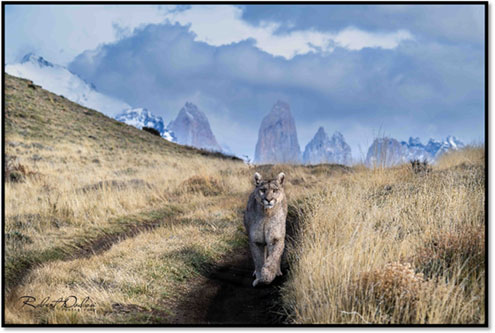
Patagonia is a favorite destination for hikers and outdoor enthusiasts. Located in southern South America, the region is renowned for its jaw dropping landscapes, glaciers, lakes and rugged beauty. Patagonia is also known for something else: The largest concentration of pumas in the world.
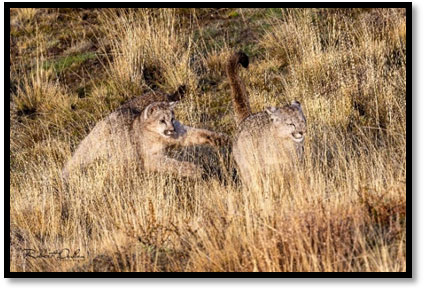
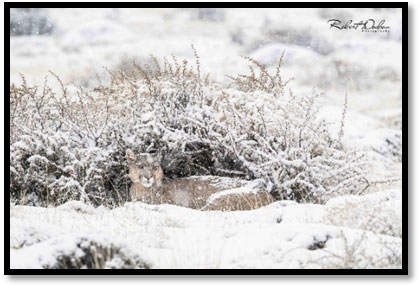
Pumas, also called mountain lions or cougars, are one of the hardest “big cats” to see and photograph in the wild. For years, they were hunted by sheep ranchers in Patagonia because pumas were seen as a threat to their sheep. However, when eco-tourism began to grow many ranchers in Patagonia saw an opportunity. Governments also saw the opportunity to boost their economies with foreign tourist money. National parks, like Torres del Paine in Chile, also gave the pumas a haven from human interference.
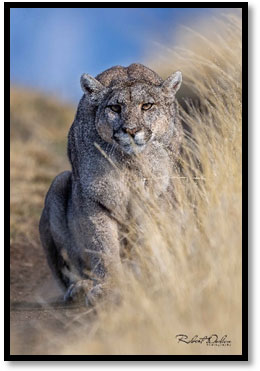
My trip to Patagonia in September concentrated primarily on private land outside Torres del Paine National Park. Our group of seven would track the pumas on foot. Many of the pumas we saw were habituated to humans – They did not see people as a food source or a threat. With our trained guides, we were always careful to keep a safe distance and not interfere the pumas normal activities. Even though the pumas were habituated to humans they are still wild animals – 100% of their diet is from prey animals they kill – primarily the guanaco which is closely related to the domesticated llama found in other parts of South America.
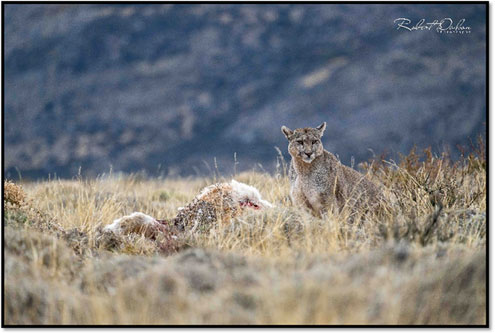
Patagonia threw plenty at our group – 60 mile-per-hour wind gusts, snowstorms and temperatures in the teens. Still, the trip was a thrilling experience and a once in a lifetime opportunity to photograph these elusive animals.
More of Robert Dodson’s photography can be found at www.robertdodsonphotography.com