Farm and Ranch
-
Results of sale Saturday, October 24, 2026 - 1,249 head
-
With Texas fruit growers battling unpredictable chill hours and late spring freezes fruits such as figs, blackberries and raspberries continue to draw interest from niche growers. (Texas A&M AgriLife)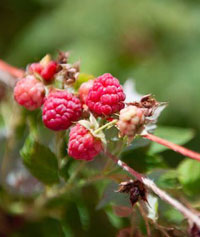
-
Agricultural producers can begin enrolling in the Agriculture Risk Coverage (ARC) and Price Loss Coverage (PLC) programs, which the U.S. Department of Agriculture (USDA) recently updated to include more than 30 million new base acres.
-
Results of sale Thursday, October 22, 2026 - 868 head, 158 cows/bulls
-
The Collin County Soil & Water Conservation District is sponsoring a fall wildflower planting program during September and October. September and October are the optimal times to plant these wildflowers, and seeding instructions are available with purchases. Get yours now, while supplies last! photo by Jilane L. Carper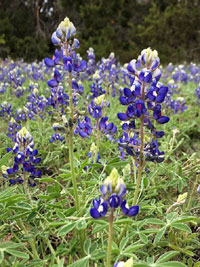
-
“We know that America’s producers know the land the best and are the best stewards,” said NRCS State Conservationist Kristy Oates in Texas.
-
Results of sale Wednesday, October 21, 2026 - 1,862 head
-
Results of sale Monday, October 19, 2026 -1,579 head
-
Producers should make an appointment with their FSA county office to complete their 2026 ARC and PLC election and enrollment.
-
Results of sale Saturday, October 17, 2026 - 805 head
-
Results of sale Thursday, October 15, 2026 - 1,002 head, 317 cows/bulls
-
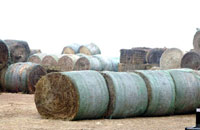
The 2nd Annual Grayson County Hay Show will be held on Thursday, October 22, 2026, in Denison, TX.